By Brennan DeMelo
July 15, 2026
Hardscaping involves transforming outdoor spaces using non-living materials like stone, concrete, and wood. These projects not only enhance the aesthetics of your outdoor environment but also improve functionality and property value. Whether you're updating a backyard patio or constructing a new garden pathway, selecting the right material is crucial for durability, aesthetics, and budget. Hardscaping offers a canvas upon which creativity can flow, allowing homeowners to express their personal style. As experienced hardscaping contractors, we'll explore the various materials available for hardscape projects, guiding you towards the best choice for your next endeavor.
Natural Stone
Natural stone in hardscaping encompasses a variety of types, each offering unique characteristics. Common types include granite, limestone, slate, and sandstone. Granite is renowned for its durability and is often used in high-traffic areas due to its resistance to wear. Limestone offers a smooth, consistent look and is often chosen for its classic appeal in both modern and rustic settings. Slate provides a striking, textured appearance that can range in color, while sandstone offers a softer, warm tone ideal for creating inviting outdoor spaces.
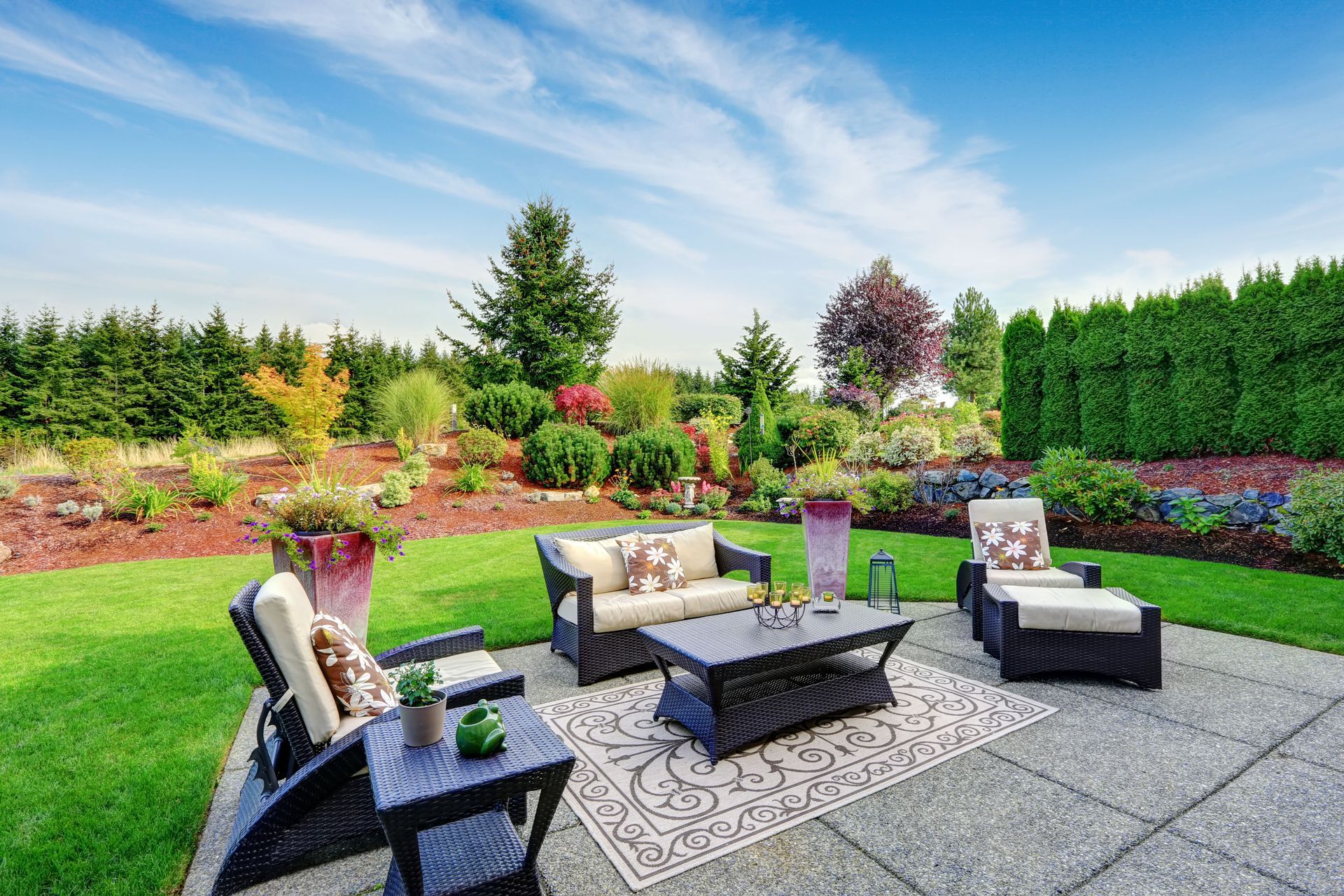
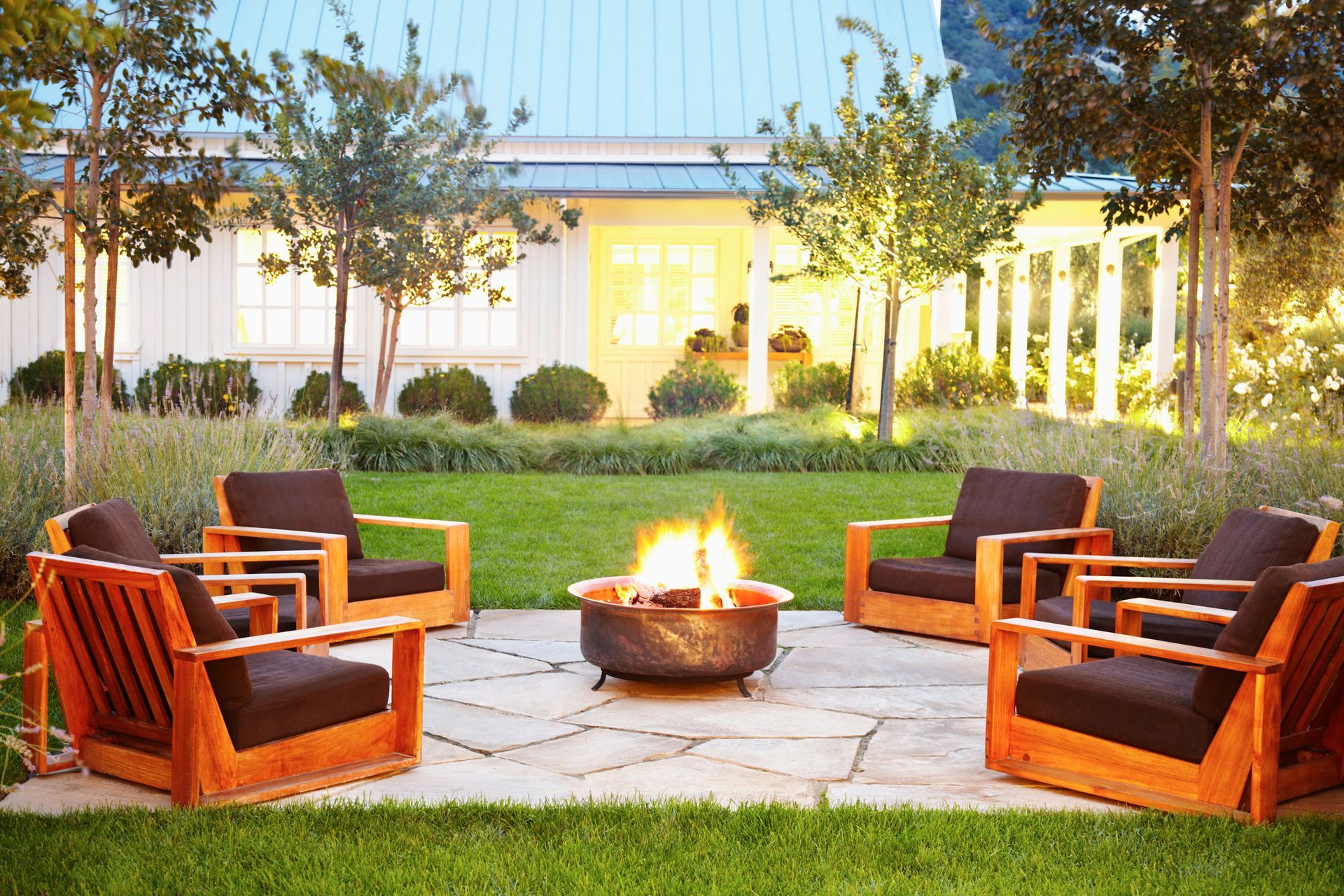
The adaptability of natural stone makes it a favored choice for many hardscaping contractors. According to Gitnux, natural stone accounts for approximately 25% of patio hardscapes, reflecting its popularity and versatility. Designers often select stone to harmonize with natural surroundings, ensuring the space complements existing elements like vegetation and architecture. Its varied textures and colors enhance both bold and subtle design aesthetics, making it suitable for diverse styles from ultra-modern to classic looks. Because of its natural origins, stone has an inherent ability to blend into a landscape, providing a seamless transition between built and natural environments.
However, choosing the right type of natural stone often depends on the local climate and intended use of the space. For instance, frost-resistant stones like certain granites or slates might be chosen in colder climates to withstand freezing conditions. Meanwhile, softer stones like sandstone might be more suitable in milder, drier climates where erosion is less of a concern. Understanding the geological composition and environmental conditions where the stone will be used ensures a lasting aesthetic and functional appeal. With all options considered, selecting the right type of natural stone can beautifully enhance any outdoor space.
Natural stone brings several advantages to hardscaping projects, chief among them being unmatched durability. Stones like granite and quartzite are exceptionally hardy and can withstand both heavy foot traffic and environmental stresses. Their durability extends their lifespan compared to many other materials, often enduring for decades with minimal maintenance. This longevity makes stone a cost-efficient choice in the long run, balancing higher upfront costs with reduced replacement frequency. Alongside its physical resilience, the natural beauty of stone offers an aesthetic that ages gracefully over time.
Another advantage of natural stone is its eco-friendliness, as it is a naturally occurring material sourced locally in many regions. This reduces the environmental impact associated with producing and transporting manufactured materials. Additionally, natural stone does not require chemical treatment for preservation, further reducing its ecological footprint. Its ability to retain heat also makes it a suitable choice for patios or pool decks in cooler climates, thereby extending the usability of outdoor spaces into cooler evenings.
Concrete Pavers
Concrete pavers are renowned for their versatility in styles and patterns, which makes them an attractive option for various hardscaping designs. They can be found in numerous shapes, sizes, and colors, allowing for extensive design creativity and bespoke personalization. These pavers are often molded into styles that mimic natural stones, such as flagstone or slate, providing the desired aesthetic without the cost constraints of genuine stone. Designers can create intricate patterns, combining different shapes and colors for a striking visual effect. As a result, landscape architects frequently employ concrete pavers to achieve contemporary looks that fit various architectural themes.
The wide range of options in concrete pavers accommodates traditional, modern, or eclectic styles seamlessly. From classic brick patterns to herringbone designs or custom layouts, the adaptability of concrete pavers offers endless pattern possibilities. This customization enables homeowners and landscapers to create cohesive designs that work with distinct outdoor themes, ensuring that paths, patios, and driveways integrate aesthetically with existing infrastructure. Moreover, their availability in varying thicknesses and finishes helps in transitioning between different hardscape areas smoothly, catering to both functional and visual needs within the same space.
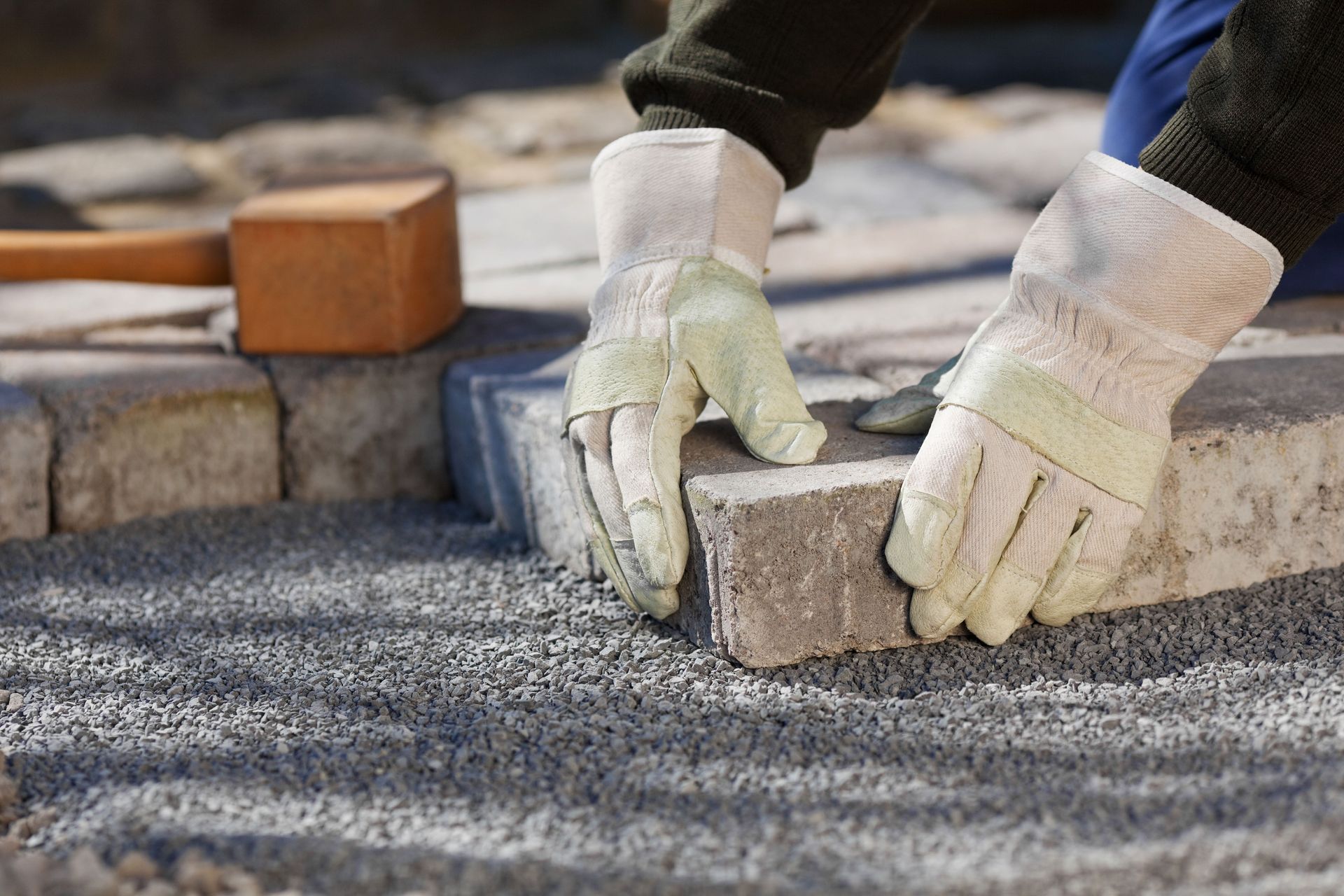
Concrete pavers offer several benefits that make them a popular choice for all types of hardscape projects. One of their primary advantages is exceptional durability, with resistance to cracking due to their segmented design. Unlike poured concrete slabs, which can crack under shifting soil or extreme weather, the individual pavers accommodate ground movement. This results in reduced maintenance expenses over the lifetime of the installation. Furthermore, if damage does occur, replacing individual pavers is straightforward, unlike the extensive repair required for a cracked slab.
The extensive color options available with concrete pavers add significant aesthetic value to any project. As these pavers are manufactured rather than quarried, they can be colored in virtually any hue, allowing them to complement specific design schemes or the natural environment. They can mimic other materials pleasingly, offering a uniformity and style range that natural products may not provide. This flexibility often allows designers to blend functionality with creativity, adding unique flair and character to outdoor spaces. Such adaptability ensures greater conformity to varied client desires and project requirements.
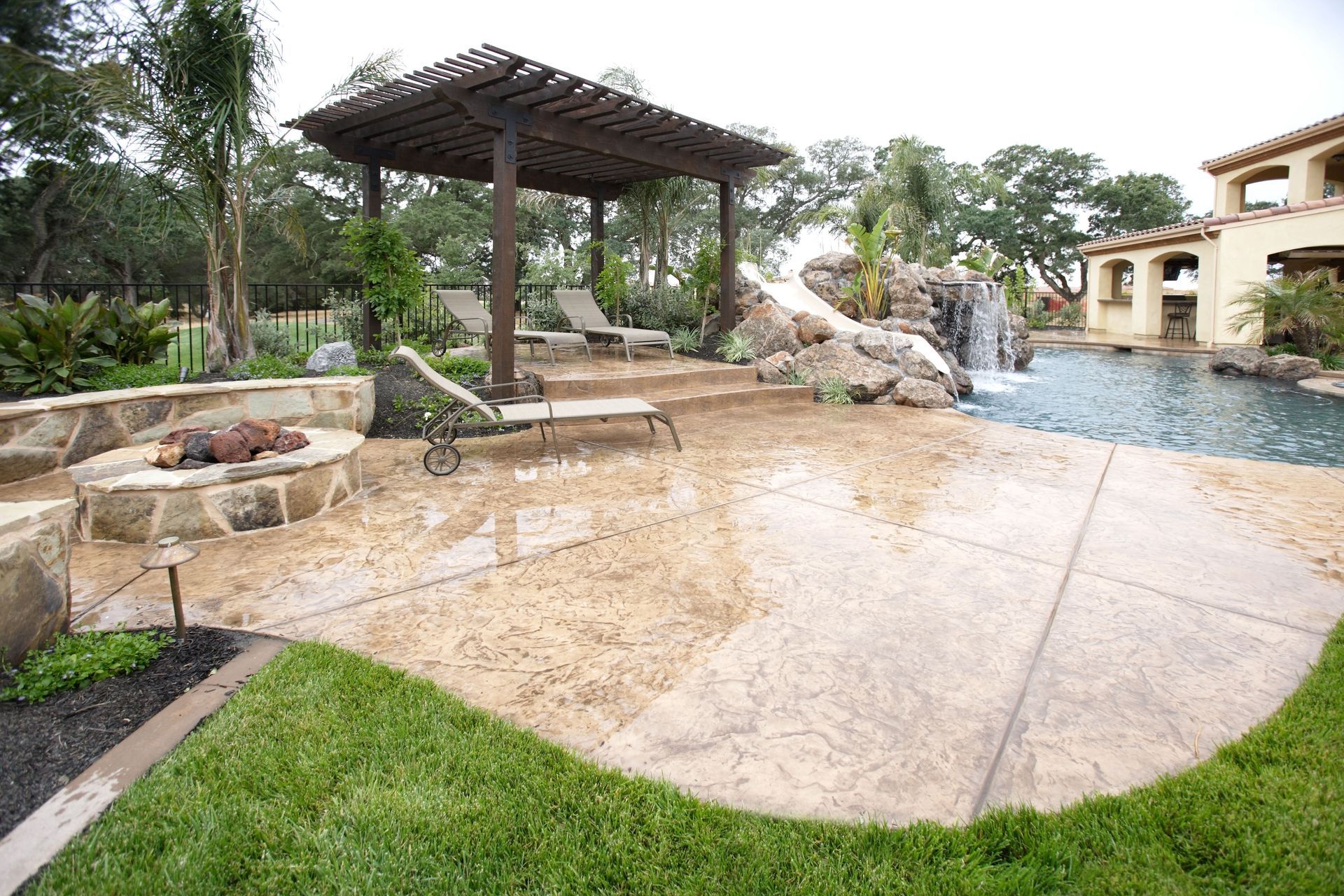
While concrete pavers boast numerous benefits, they also have limitations that potential users should factor into their decision-making. One key challenge is their surface roughness, which can become slippery when wet, presenting a safety hazard. To mitigate this, employing anti-slip sealers or opting for pavers with textured finishes can help improve traction. However, these solutions can incur additional expenses, impacting overall project costs. Also, wear and tear can cause color fading over time, especially in areas with prolonged exposure to direct sunlight, necessitating periodic color restoration efforts.
Brick Pavers
Brick pavers are a timeless option in hardscaping, valued for their classic elegance and Old World charm. These pavers are typically made from clay that is molded and kiln-fired to ensure strength and durability. Their inherent color often ranges from deep red to soft earth tones, lending a warm, inviting appearance to outdoor spaces. This natural color palette imbues installations with a rustic feel, making brick pavers ideal for traditional and historical designs. Moreover, the uniformity in their shape allows for consistent and cohesive layouts, adding structural and visual harmony.
The texture of brick pavers contributes significantly to their appeal, offering a distinct look that effortlessly integrates with natural surroundings. They typically have a slightly roughened surface that not only contributes to safety by providing traction but also adds a tactile element to outdoor designs. Their modular nature enables simple integration into various designs, making them suitable for pathways, patios, and driveways. Their time-tested reliability in myriad settings, from residential gardens to urban streetscapes, is a testament to their versatility.
In the end, the right hardscaping material comes down to the look you want to achieve, how the space will be used, and the level of maintenance you’re comfortable with over time. Natural stone offers lasting beauty and durability, concrete pavers provide flexibility and design variety, and brick pavers bring classic charm that never goes out of style. By weighing the strengths of each option against your budget, climate, and overall landscape goals, you can create an outdoor space that’s both visually appealing and built to last for years to come. For an experienced hardscaping contractor you can rely on, contact DEMELO & SONS, INC today.